
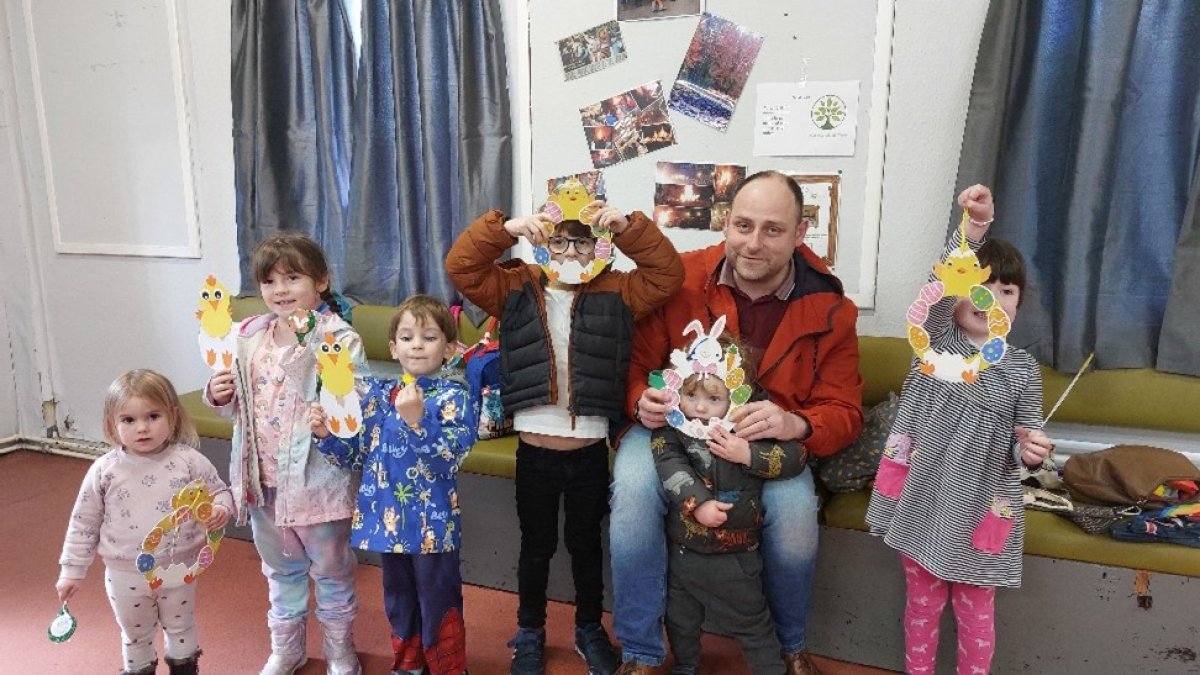
Ashbrook Wildlife Watch are a community group for children to learn about nature and have been in operation since October 2018. Our aim is to provide an event that is inclusive for all and doesn’t require families to spend money to take part; so that those families that have been affected by the cost-of-living crisis have an enjoyable and educational event each month for their children along with the social and networking aspect for the adults.
We work with support from Lancashire Wildlife Trust which is a charitable organisation providing a website for groups running children’s groups and also provide a DBS check and training for volunteers along with policies and paperwork which enable us to ensure we are complying with requirements. We also aim to recruit the help of specialists whenever we can. This has included a local beekeeper, a hedgehog rescue centre, the RSPB and a bird of prey sanctuary. We are able to look at what other voluntary groups are doing and share our own ideas and practice, so we have a wider network.
We welcome children from very young (in fact, some first come in prams with older siblings and in a couple of years are fully fledged members!) to the age of 13 along with their families to enjoy an educational experience which enables them to socialise with others from the community along with learning, developing skills and enjoying the outdoors and physical activity. The parents enjoy it as much as the children and always say they have learned a lot!
We do some great things using the outdoors and our local environment for the benefits to mental and physical wellbeing it can contribute to, both for children and adults. We also make good use of the community centre for arts, craft, basic cookery, information and learning activities, often including local experts or charities who can enhance the experience.
We were facing a number of challenges. A major problem was funding the club whilst still keeping to our initial aim of having a very low-cost activity so no child would be excluded due to cost. Materials for our activities such as art and craft materials rose dramatically, and we were struggling to afford to continue with the same standard of activity without some funding.
We were also relying just on paper-based activities as we had no access to IT, and now that children are so used to learning digitally, we felt that we were being left behind – with very little money in our pot, we had no chance of buying any equipment to help bring our sessions to life.
In addition to wildlife and nature, we like to place an emphasis on the environment and protecting our local environment, as well as encouraging children to think about the bigger picture. We had lots of ideas, but again not the funds to carry out our ambitions.
The first stage was to find funding opportunities and did this through Action Together. We were delighted to be successful in getting a grant; our ideas could then come to fruition.
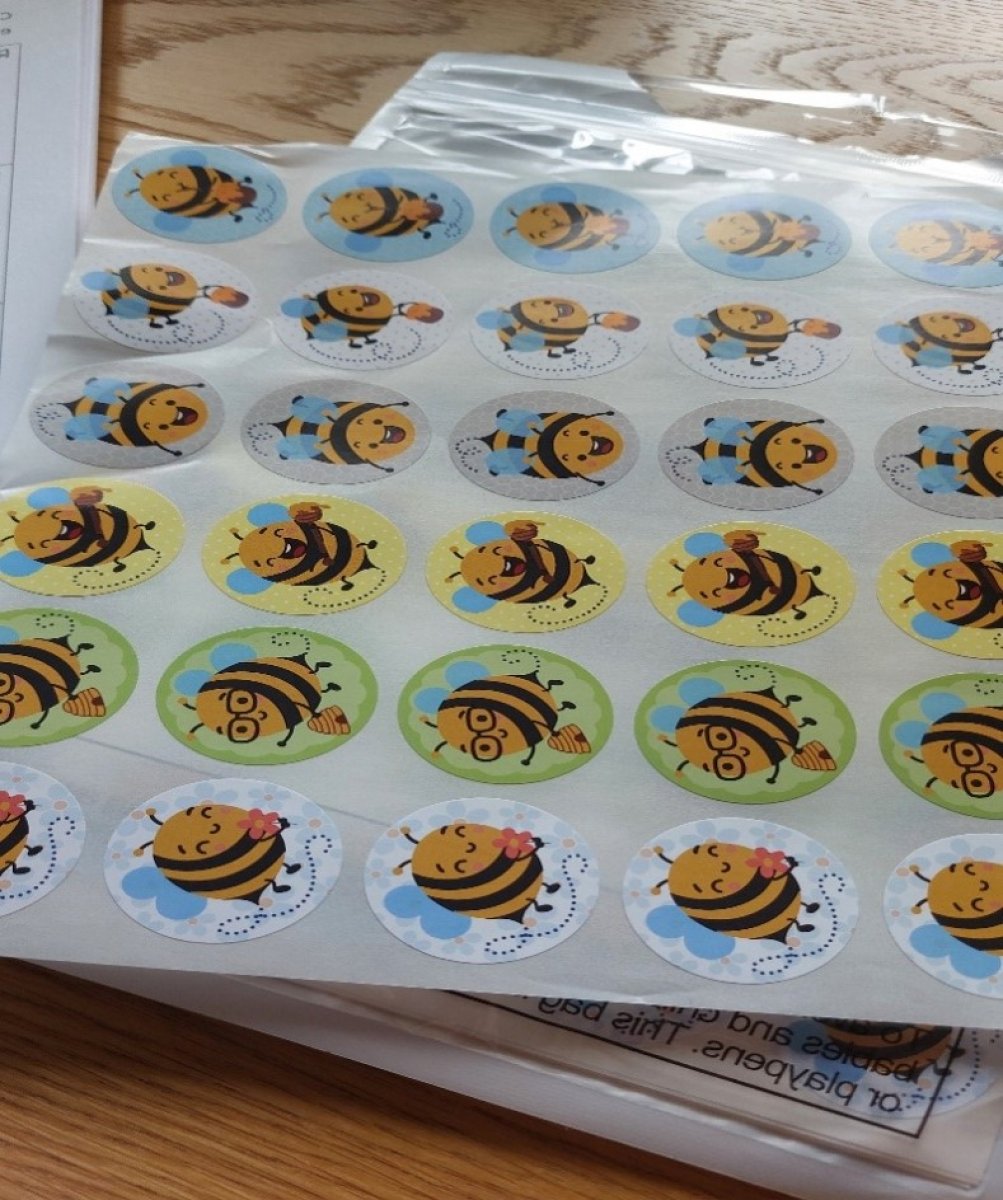
We planned our activities for the year, bringing in more of an environmental theme – we named this ‘Our Planet’ so that each month would have a different environmental theme along with our nature and wildlife topics. This includes basing each session on a particular animal, insect or species and looking at how it benefits the eco system. We designed an Eco Challenge which would provide a task each month for children to complete at home with their family, to raise awareness of the importance of sustainability and environmental protection. Each child has an A4 card with challenges and when they provide evidence, they receive a bee sticker.
We were able purchase the equipment we wanted to bring a digital element – a projector and screen which would enable us to improve the quality of this early educational experience for children.
We bought materials for our sessions which includes craft activities and equipment for gardening and other outdoor activities such as studying insects and pond dipping.
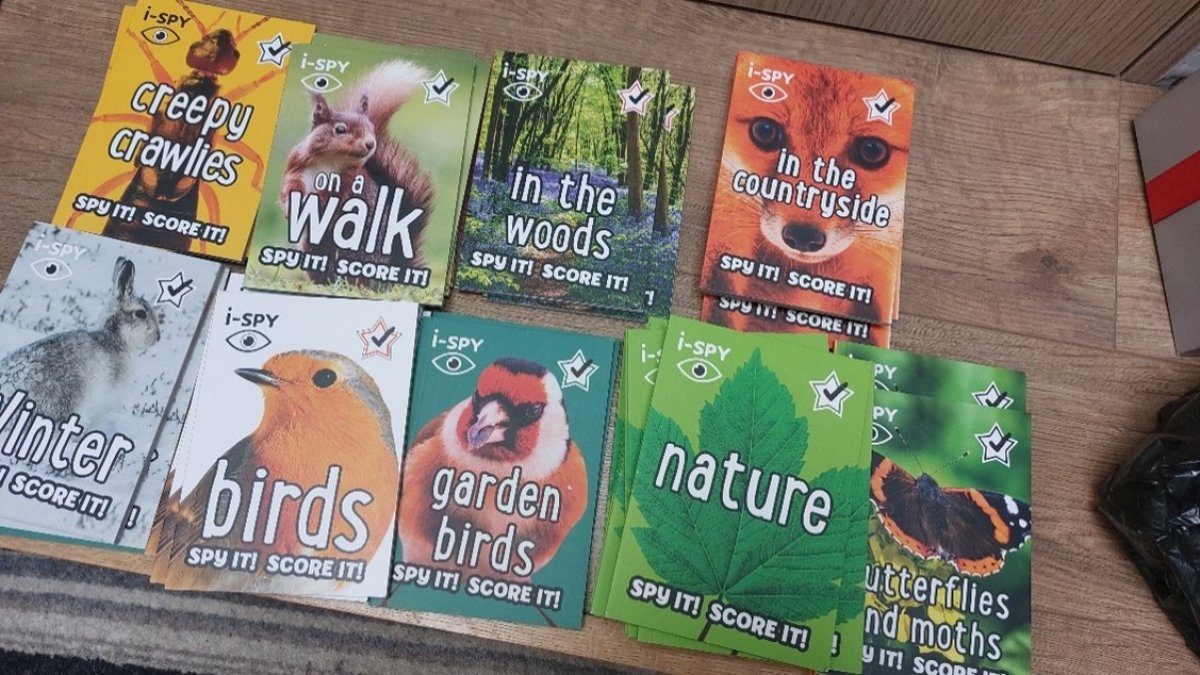
We were also able to invest in educational prizes for the challenges we have set relating to the environment. We chose the 'I Spy’ range of educational books which children can choose from as there are a range of topics.
We have been able to keep providing a low-cost activity for children and families, without having to charge more and possibly exclude some families due to cost.
We have been able to introduce the Eco Challenge with the chance of winning a prize if children complete all the challenges – they get a sticker on a square when they provide evidence of the task being completed. They win an I Spy nature book on completion, which them encourages further learning at home.
We are going to make June 2024 a major focus for Our Planet as it is Big Green Week – a national event to raise awareness of the environment, we will be able to use videos and buy resources to run activities and invite community members in to try and have an impact on the wider community.
We can now use video clips, as well as professional and educational clips already made via sites, we can also record our own videos and collect images whilst out and about in the area and then use it as an educational focus on our return to the Centre. The experience is teaching children about wildlife and biodiversity and providing essential education for their future about tackling climate change by looking after nature, making sustainable choices and avoiding further damage to our planet. We have digital microscopes which can photograph things like insects, parts of plants, pondlife and discarded bird nests for example – showing up close views and developing understanding.
Overall, the grant has allowed us to keep on providing a low cost, good quality educational experience for children and families and bring our resources up to date, without this we would have been at risk of having to end the club.
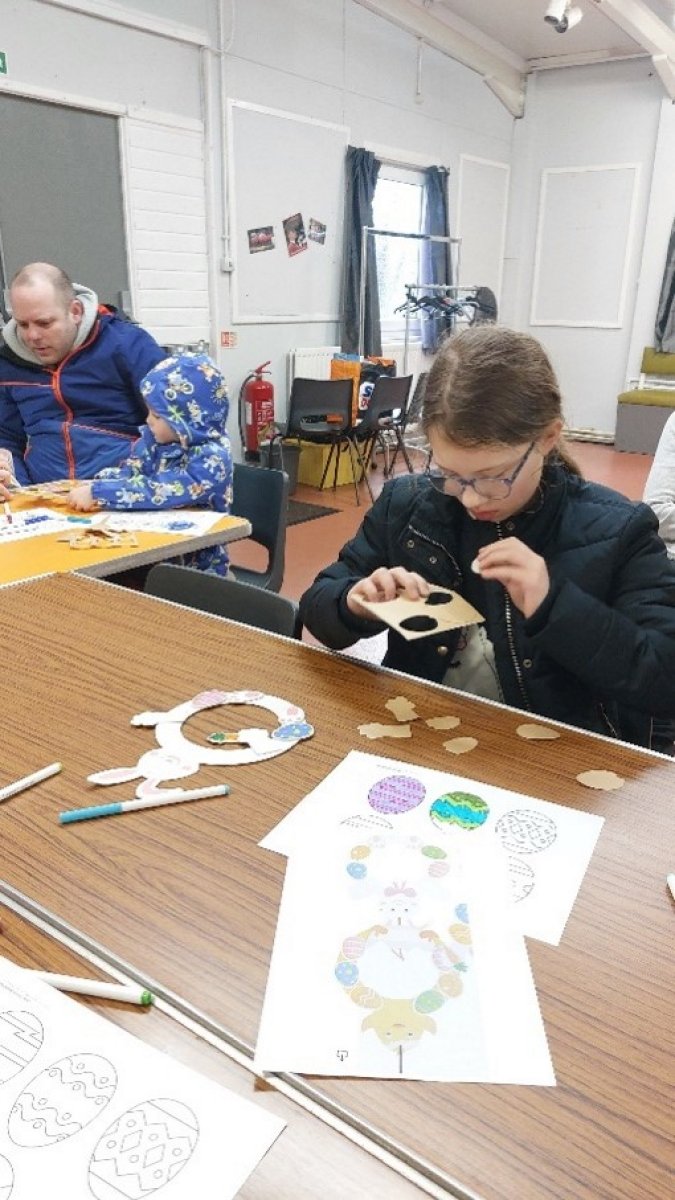
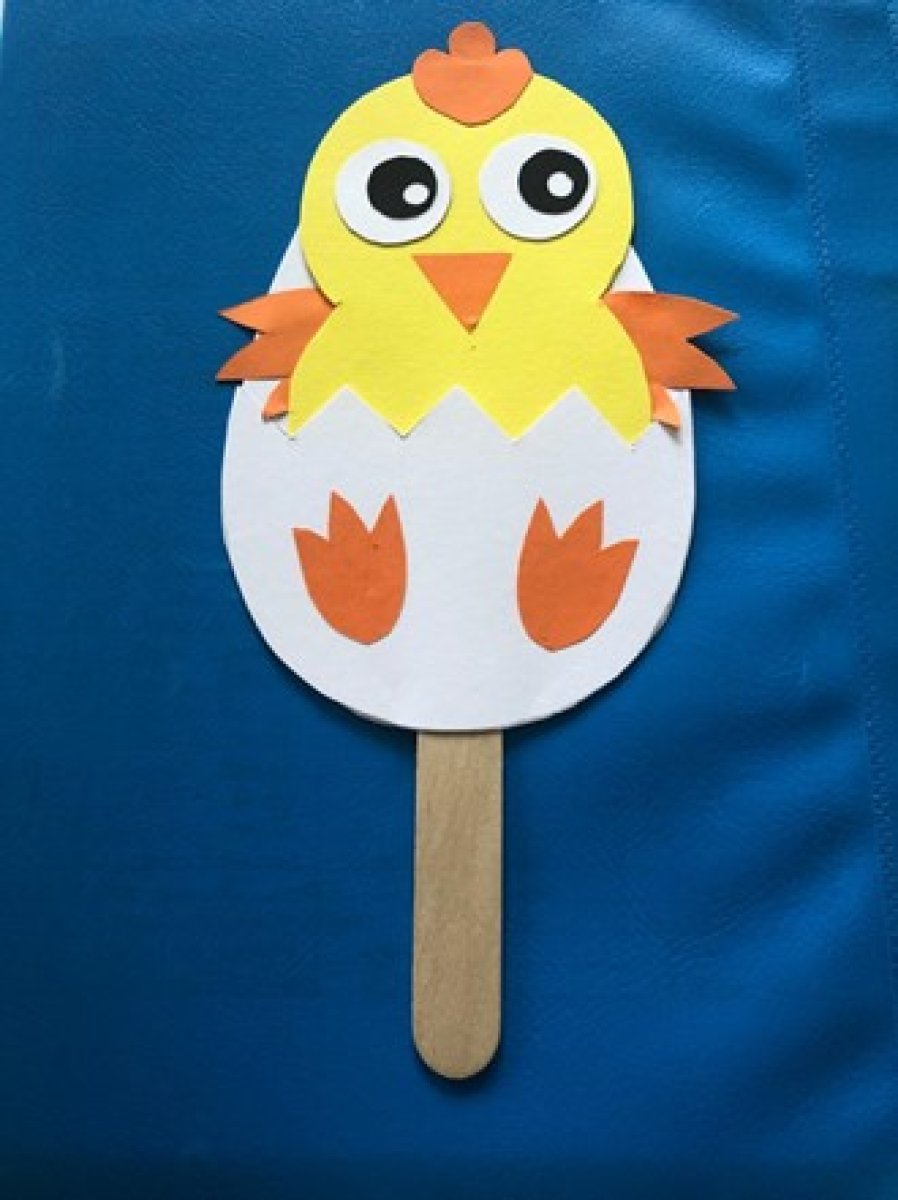
Some of our March activities for Easter include; teaching about seasons, climate change and it’s effect on nature and making some Easter crafts.